


When Should You Convert a DC Drive and Motor System to AC?
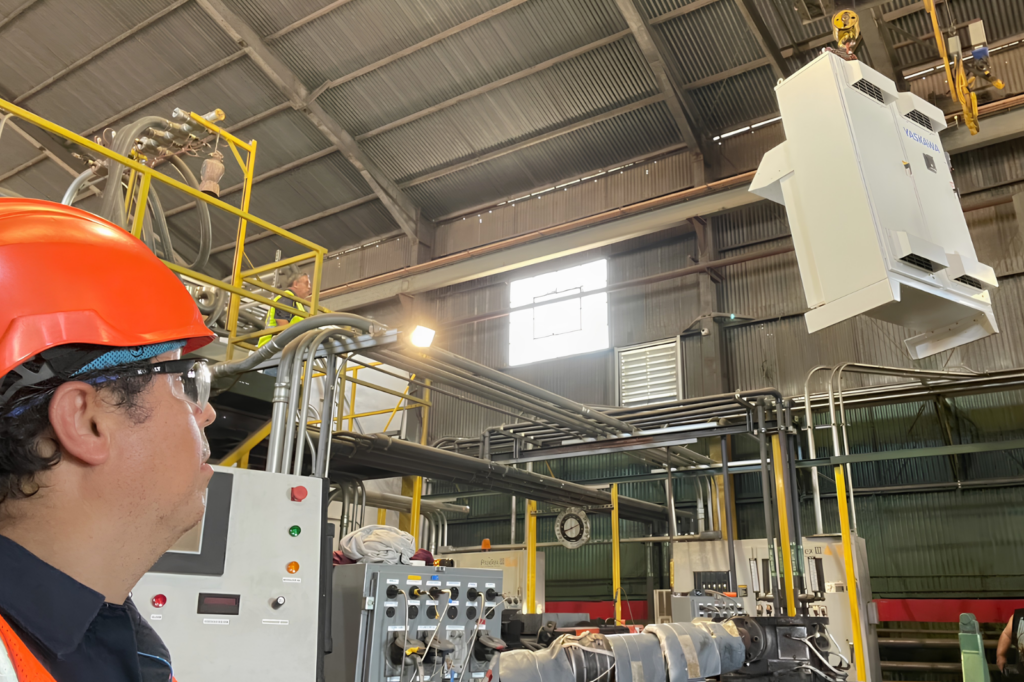
Aging DC systems can still be reliable, but repeated failures, routine motor maintenance, and harder-to-source parts can change the math. Here’s how to decide when a DC-to-AC conversion makes sense.
Why Is My Servo Motor Jittering or Not Moving?
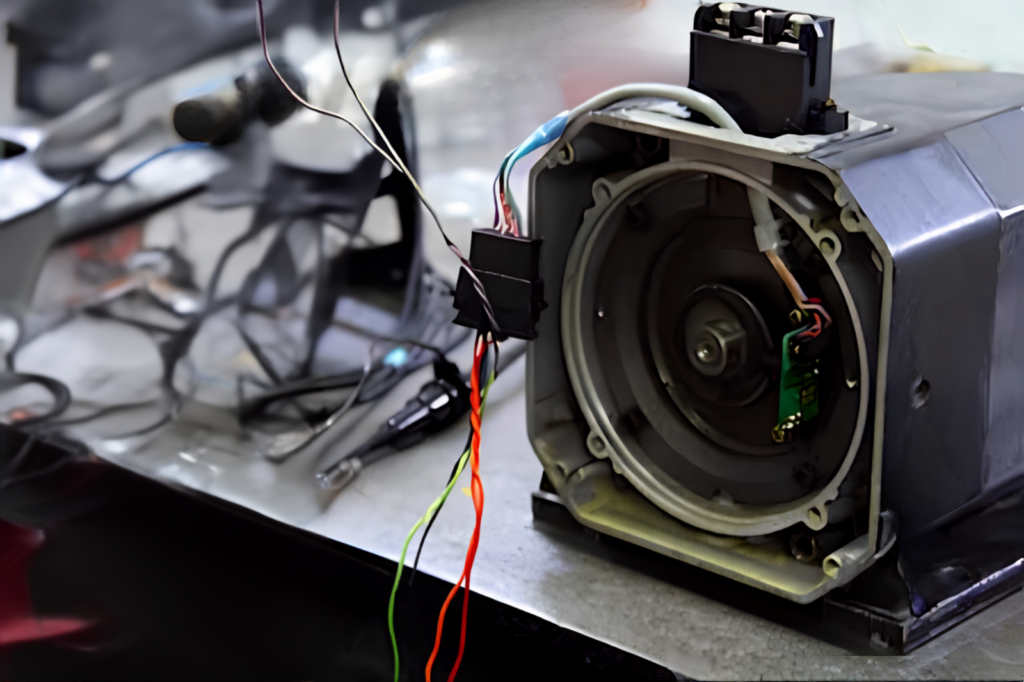
A jittering, drifting, buzzing, or unresponsive servo motor does not always mean the drive or motor has failed. Learn how to identify common servo problems and why checking the feedback cables, connectors, and fault codes first could prevent an unnecessary replacement.
Soft Starter or VFD: Which One Do You Actually Need?
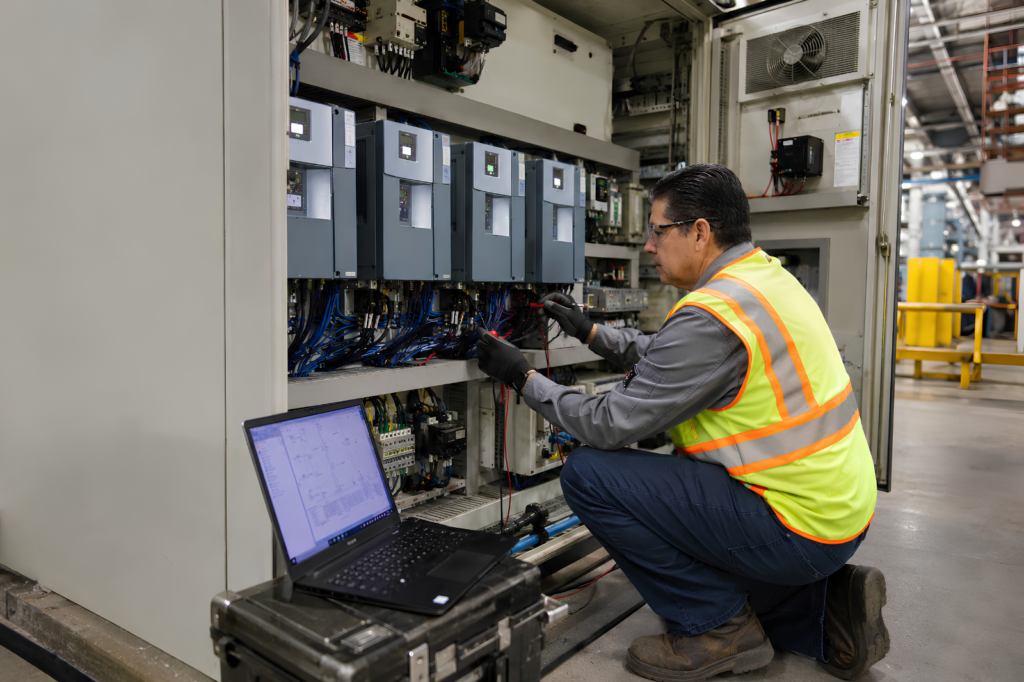
Soft starter or VFD? The answer usually comes down to one simple question: do you need speed control while the motor is running? This article breaks down what each one does, where each one fits best, and how to avoid paying for the wrong capability.
How to Replace an Allen-Bradley Drive Without Replacing Your PLC
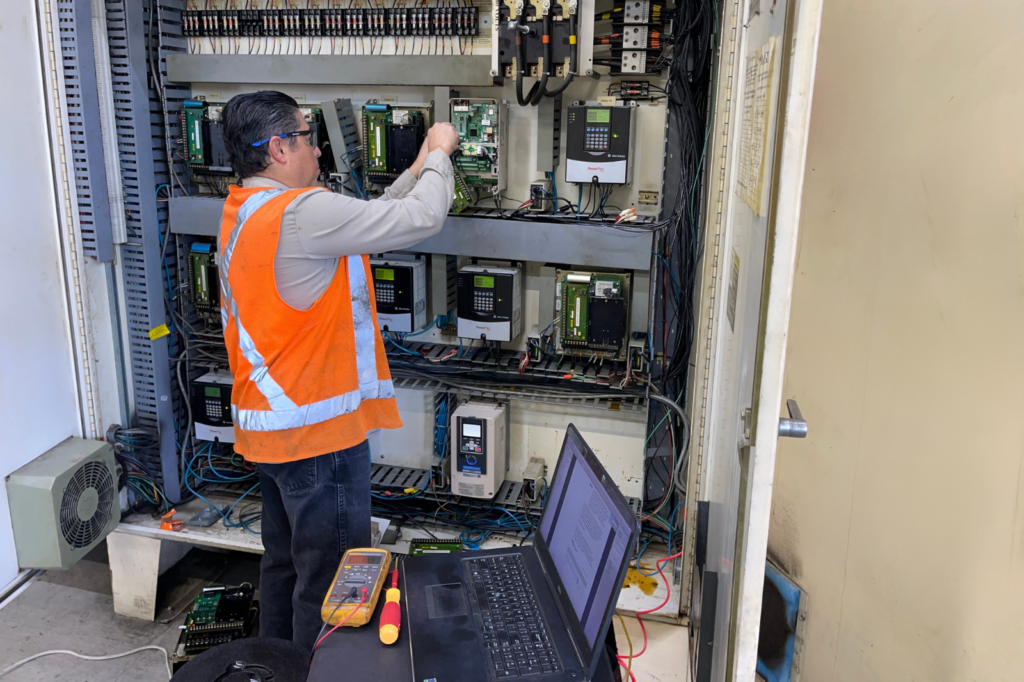
When an Allen-Bradley drive needs to be replaced, a Yaskawa retrofit can offer a practical path forward without replacing the existing control system. This article explains how the retrofit works, where it fits, and what to consider before moving ahead.
How to Plan a PLC Upgrade Without Unnecessary Downtime

A PLC upgrade can go smoothly, or it can turn into a production problem fast. This article walks through how to plan the project more carefully, reduce unnecessary downtime, and avoid the surprises that usually extend cutover windows.
What Causes Repeated Drive Failures on the Same Line?
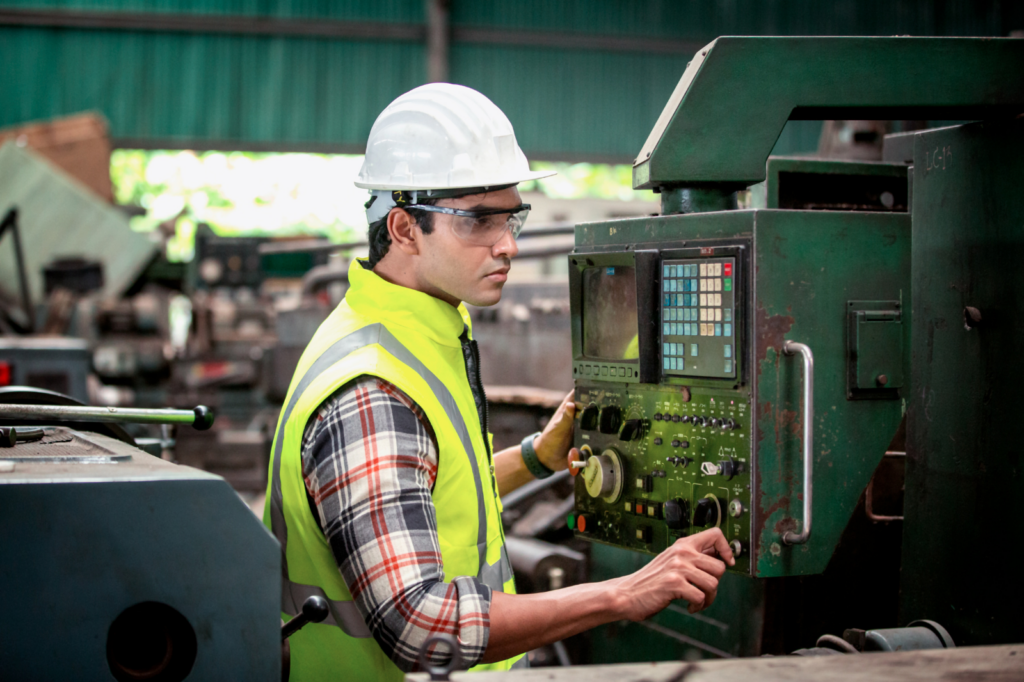
You’ve fixed it before. The line came back up, everyone moved on, and then it happened again. Repeated drive failures on the same production line almost never come down to the drive itself. They come down to a condition that’s still there. This guide covers what those conditions usually are, what the pattern is trying to tell you, and what to check before another drive goes into the same situation.
7 Causes of AC Drive Failure in Industrial Facilities

Most AC drive failures aren’t random. They trace back to a handful of familiar causes, and many of them leave warning signs before the drive completely goes down. This guide covers the 7 most common causes of AC drive failure in industrial facilities, what each one looks like in practice, and what to check before assuming the drive itself is the whole problem. Because often, it isn’t.
Repair or Replace a Failed VFD? How to Decide
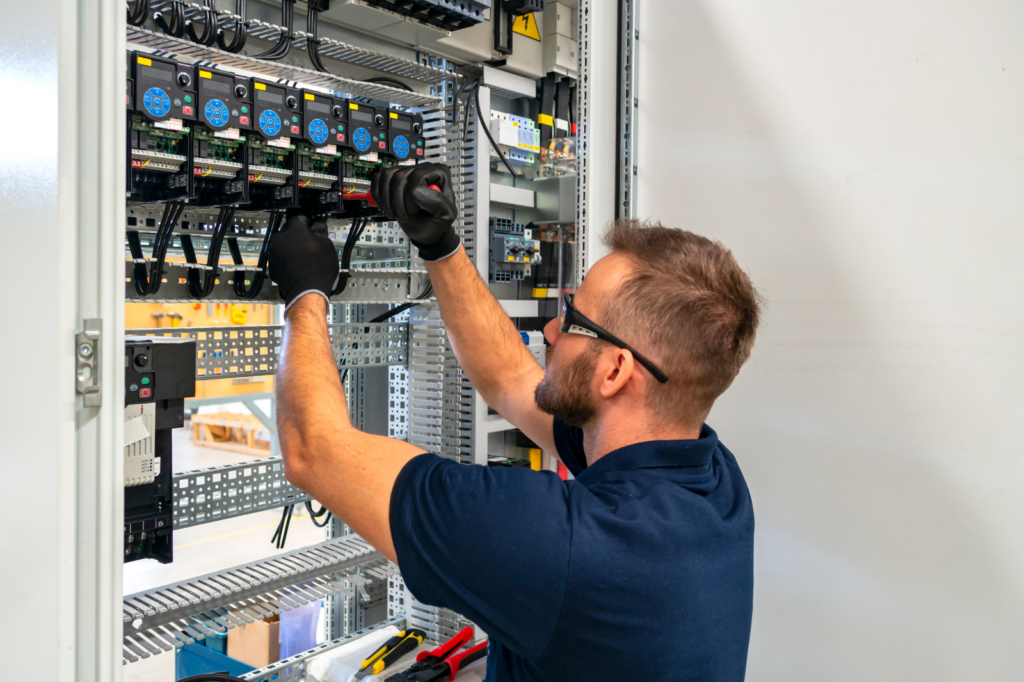
When a VFD fails, the pressure to get the line back up is immediate. But making the wrong call, repairing what should be replaced or replacing what could be repaired, costs time and money. Learn what actually determines whether repair or replacement is the smarter move for your situation.
Common DC Drive Failures and What They Mean
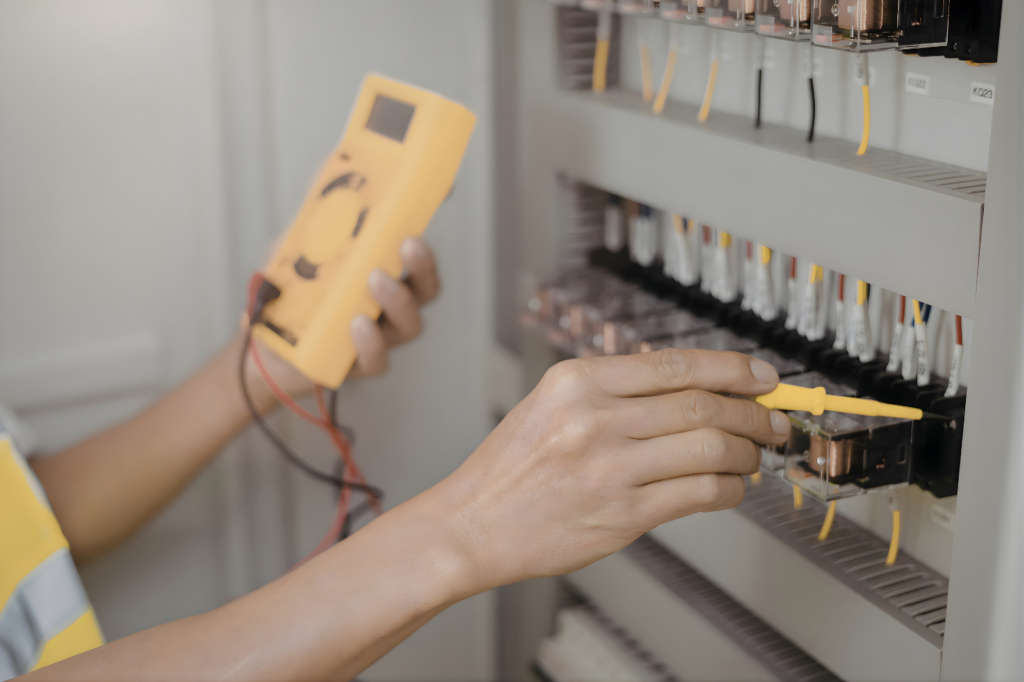
DC drive failures can look straightforward but rarely are. A motor that won’t run, repeated fuse failures, overheating, or a failed board often point to something deeper in the system. Learn what common DC drive failure symptoms mean, what to check, and when it’s time to call for service.
What Thermal Imaging Can Reveal in Industrial Systems
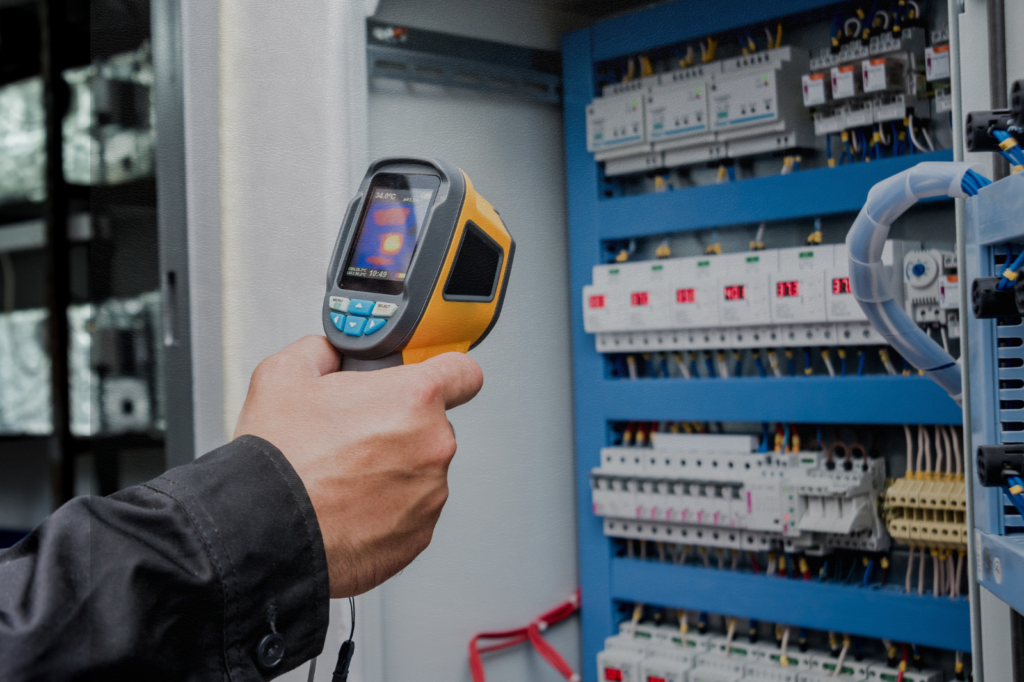
Thermal imaging helps industrial facilities find heat-related problems before they become failures. From loose electrical connections and overloaded circuits to failing bearings and stressed drives, abnormal heat is often the first sign something is wrong. Learn what infrared inspections can reveal and how they fit into a smarter maintenance program.