


What Thermal Imaging Can Reveal in Industrial Systems
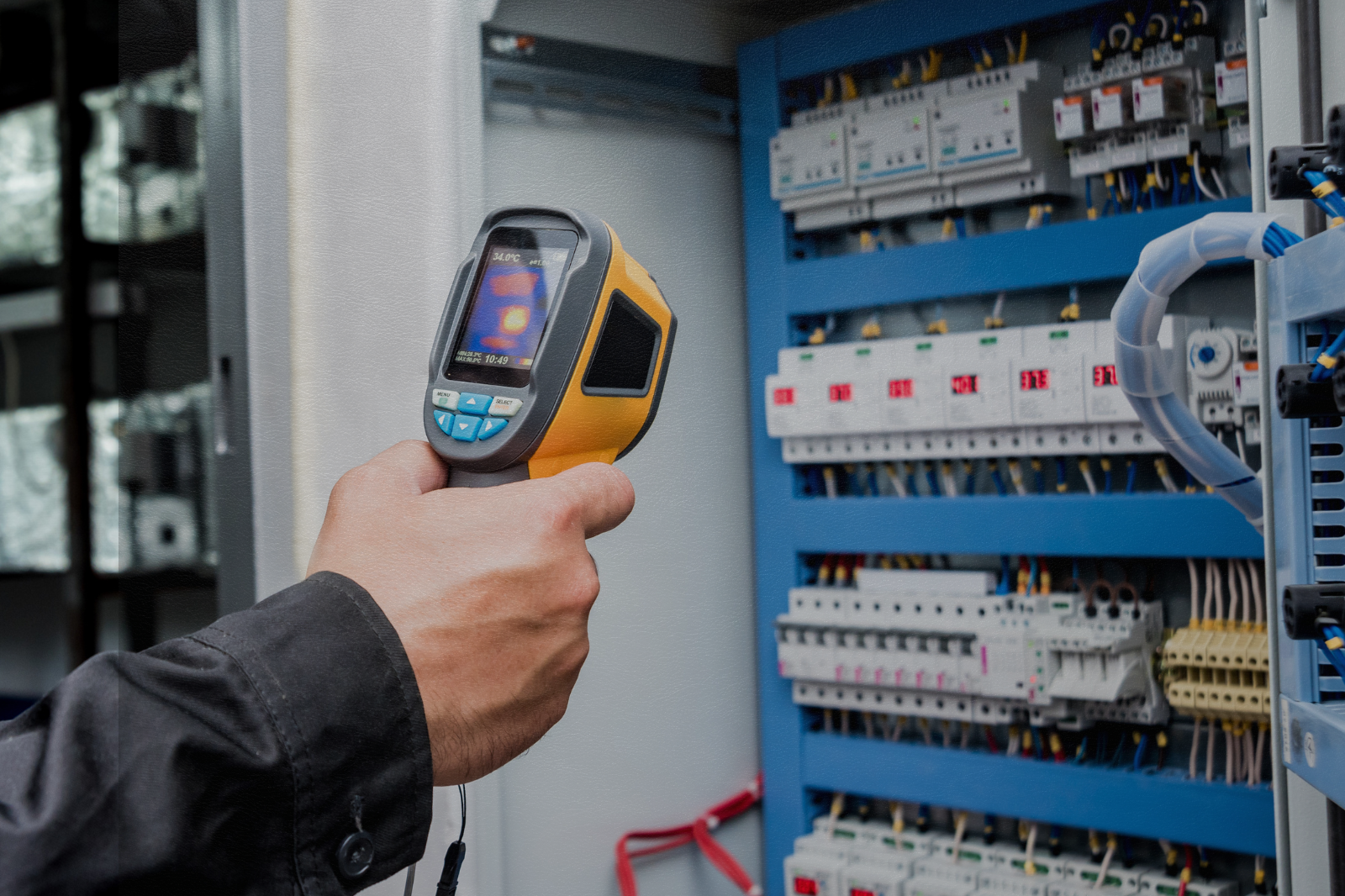
Photo Source: romaset from Getty Images
Thermal imaging helps uncover hidden heat-related issues in electrical and mechanical equipment before they turn into failures, downtime, or safety concerns. In industrial settings, it can help identify loose electrical connections, overloaded circuits, imbalance, failing components, bearing trouble, friction, and other developing problems that are easy to miss during a visual inspection.
A panel may still be operating. A drive may still be running. A motor or gearbox may still seem fine during normal production. But heat often shows that something is beginning to change before failure makes it obvious.
That’s what makes thermal imaging so useful. It gives maintenance teams another way to catch problems early, plan service more strategically, and avoid being forced into a shutdown.
Why does thermal imaging matter?
A lot of electrical and mechanical issues show up as abnormal heat before they show up as failure.
That doesn’t mean every warm component is a problem. Equipment naturally generates heat during operation. What matters is when a certain area is hotter than it should be, uneven compared to similar components, or changing in a way that suggests stress is building.
That’s one reason infrared inspections have become such a useful part of maintenance and commissioning work. The U.S. Department of Energy notes that infrared thermography is used to identify problematic electrical connections, while vibration analysis, oil analysis, and related tools help detect mechanical issues such as alignment, balance, and bearing defects
What can thermal imaging reveal in electrical panels?
Thermal imaging is especially useful in electrical panels because many developing problems are not visible during a normal inspection.
A scan can help reveal issues such as:
Loose or deteriorating connections
Loose electrical connections create resistance, and resistance creates heat. Over time, that heat can worsen the connection, stress nearby components, and raise the risk of failure.
Overloaded circuits
When a circuit is carrying more load than it should, that extra strain often shows up as excess heat before the problem becomes more obvious.
Phase imbalance
Uneven loading across phases can create temperature differences that point to a larger electrical issue affecting performance and reliability.
Failing breakers, fuses, or contactors
These components often begin to run hotter before they fail completely, which can give maintenance teams a chance to act earlier.
Bus bar and termination issues
Hot spots around lugs, bus bars, and terminations can point to poor connections or developing electrical stress that deserves attention.
The U.S. Department of Energy describes infrared thermography as a way to identify problematic electrical connections. In practice, thermal inspections can also help spot hot spots tied to overloaded circuits, imbalance, and stressed connections.
What can thermal imaging reveal in drives and motor control systems?
Drives and motor control systems are often central to production, which makes early warning especially valuable.
Thermal imaging can help highlight abnormal heat tied to:
Variable frequency drives
VFDs can run hot for several reasons, including poor ventilation, overloaded operation, dirty enclosures, failing cooling fans, or internal component stress.
DC drives
In facilities still using DC drives, thermal imaging can help reveal unusual heat patterns tied to aging components, stressed terminals, or supply-side problems.
Motor starters and control panels
Starters, relays, breakers, and contact points can all develop hidden hot spots that are not obvious without infrared testing.
Upstream power issues
Sometimes the drive is not the real source of the problem. Abnormal heating in upstream electrical components may point to a larger system issue affecting the drive and the equipment around it.
Control Concepts tip: A thermal image tells you where the heat is. It still takes drive, controls, and field-service experience to determine whether the real issue is the drive, the incoming power, the load, or another part of the system.
What can thermal imaging reveal in mechanical systems?
Thermal imaging isn’t just useful for electrical work. It can also help uncover signs of wear, friction, or operating stress in mechanical equipment.
That can include:
Bearing problems
A failing bearing often starts running hotter than normal. DOE maintenance guidance includes bearing defects among the kinds of problems condition-monitoring tools are used to detect, and DOE’s O&M guide includes a case example where an infrared inspection confirmed a warmer pump bearing that led to the discovery of an overload issue.
Misalignment
When rotating components are out of alignment, the added friction and strain can show up as unusual temperature patterns. DOE guidance points to vibration analysis for alignment and balance issues, while thermal imaging helps show abnormal heat that may warrant deeper inspection.
Lubrication issues
Too little lubrication, too much lubrication, or the wrong lubricant can all contribute to excess heat in mechanical assemblies. DOE guidance also points to lubricant condition as part of mechanical diagnostics.
Belt and coupling problems
Belts and couplings under strain may run hotter than expected, especially when tension, wear, or alignment issues are involved.
Motor and gearbox stress
If a motor or gearbox is overloaded or beginning to wear down, thermal imaging can help flag that abnormal heat so the issue can be investigated sooner.
Why is thermal imaging useful for preventive maintenance?
The biggest value is simple: it helps teams catch issues earlier.
Instead of waiting for a breaker to trip, a drive to fault, or a bearing to fail, maintenance teams can use thermal inspections to spot abnormal conditions while equipment is still running. That gives them a chance to prioritize repairs, schedule work more strategically, and reduce the odds of unplanned downtime.
That approach fits well with DOE’s broader operations and maintenance guidance, which emphasizes proactive, condition-based maintenance and early warning signs of degraded performance. DOE’s O&M guide describes condition-based management as focusing on the balance between production, machine stress, and failure, with monitoring used to identify early warning signs of degraded performance.
Used as part of a preventive maintenance program, thermal imaging can help facilities:
- reduce unplanned downtime
- identify hidden electrical and mechanical issues
- improve maintenance planning
- support safer operation
- protect connected equipment
- make better repair and replacement decisions
That kind of proactive approach aligns well with NFPA 70B, which provides a framework for electrical equipment maintenance and helps reinforce why periodic inspection matters before problems turn into failures.
Does thermal imaging diagnose the whole problem?
Not by itself.
A thermal scan shows where abnormal heat exists. It doesn’t automatically tell you the full root cause. The findings still need to be interpreted in context. That’s part of the value of condition-based maintenance. The goal isn’t just to find a hot spot, but to use that early warning sign to decide what needs further inspection, service, or correction.
That’s especially important in industrial systems, where a hot spot may be the result of a loose connection, overload, supply issue, ventilation problem, failing component, or a larger system interaction. Interpreting the findings correctly still requires hands-on troubleshooting and system knowledge.
That point is consistent with technical thermography guidance, which stresses that infrared inspections are valuable for finding abnormalities and determining whether further testing is needed, but that accurate interpretation requires proper training and experience.
When should a facility schedule a thermal imaging inspection?
A thermal imaging inspection makes sense anytime a facility wants a clearer picture of equipment condition under load.
That may include:
- as part of an annual preventive maintenance program
- before high-demand production periods
- after equipment changes or upgrades
- when a system has a history of repeat issues
- when troubleshooting unexplained heat, trips, or reliability problems
- after repairs, to confirm the system is operating as expected
Seeing what the eye cannot
Electrical panels, drives, and mechanical systems often give warning signs before they fail. The challenge is that those warning signs are not always visible during normal operation.
Thermal imaging gives maintenance teams a practical way to spot hidden heat patterns, investigate problems earlier, and make better service decisions before a small issue becomes a larger one.
Whether the problem is a loose connection, an overloaded circuit, a stressed drive, or a bearing that’s beginning to fail, abnormal heat usually means something deserves a closer look.
Need help identifying hidden heat-related issues in your electrical or mechanical systems? Control Concepts provides advanced infrared thermography services to help facilities uncover problems early and support more reliable operation. Contact our team to schedule an inspection.