



What Causes Repeated Drive Failures on the Same Line?
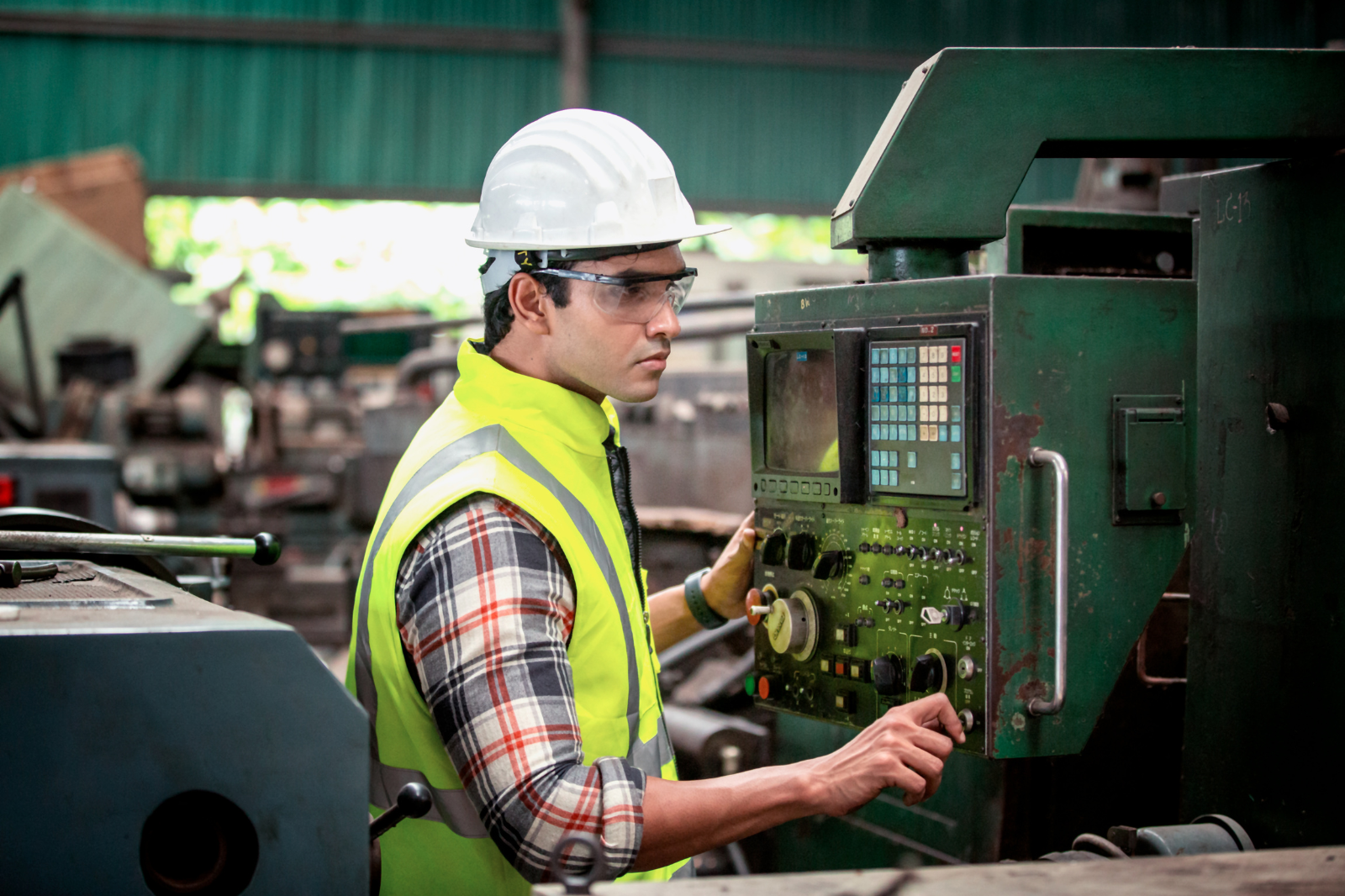
Photo Source: FoToArtist from Canva Pro
You’ve been here before. A drive fails, the team fixes it, the line comes back up, and then a few weeks or months later, the same line loses another one.
At some point, that stops feeling like bad luck and starts looking like a pattern. Because it is.
Repeated drive failures on the same production line seldom come down to the drive itself. They usually mean there’s a line condition, a system issue, or an operating stress that nobody has fully corrected yet. Until that gets found, the replacements just keep coming.
One failure can be an event. Two or three on the same line is a conversation worth having.
Why repeated failures are different from a one-time breakdown
A single drive failure can genuinely be a one-off. A component reaches the end of its life, a power event hits at the wrong time, or something gets disturbed during a service visit. It happens. You fix it and move on.
But when the same production line keeps going through drives, the failed drive is rarely the full story.
The conditions around it matter just as much as what’s happening inside it. The motor might be pulling harder than it should. The line might be running hotter than anyone realizes. Power feeding that area might be unstable. Connections might be degrading under load. The cabinet environment might be tougher on electronics than it looks. The control side might be creating operating behavior that keeps putting the drive under stress.
The drive isn’t just breaking down. It’s reacting to something. And as Plant Engineering notes, the unrecognized and uncorrected causes of a failure will always come back to cause another breakdown. That’s not a theory. It’s what repeated drive failures look like on the floor.
Why this costs more than the repair bill
Before getting into what to look for, it helps to understand what repeated failures are actually costing.
The repair invoice is only part of it. The bigger hit comes from lost production, idle labor, rush service calls, missed output, and the slow erosion of confidence in a line that keeps going down. According to the Siemens True Cost of Downtime 2024 report, the median cost of unplanned downtime across industrial sectors runs about $125,000 per hour. Most of that never shows up on a maintenance work order.
Once a line gets a reputation for eating drives, every shutdown becomes harder to shrug off. Teams start treating the symptom faster, but stop trusting the line. That’s a bad place to be.
That’s why repeated failures deserve a diagnostic approach, not just a faster replacement.
What repeated failures on the same line usually point to
Repeated drive failures are almost always tied to one or more conditions that have been present the whole time. The drive keeps changing. The condition doesn’t.
Here’s what to look for:
Ongoing thermal stress. If the cabinet runs hot, airflow is poor, fans are weak, or the line operates under sustained elevated temperatures, each replacement drive steps right back into the same environment. Heat doesn’t announce itself. It just quietly shortens component life until something gives.
Electrical stress feeding that line. If incoming power is unstable or inconsistent, voltage imbalance, dips, spikes, or harmonics can force the drive to absorb stress it was never designed to handle on a regular basis. The U.S. Department of Energy warns that even a 1% voltage unbalance can produce current imbalances six to ten times larger, and that voltage unbalance is one of the leading power quality problems behind motor overheating and premature failure. One unit fails, a new one goes in, and the same conditions start wearing it down.
Connection problems under load. A loose or degrading terminal creates resistance, resistance creates heat, and heat makes the connection worse. That cycle keeps tightening quietly until the drive starts tripping unpredictably or fails outright. If nobody caught the connection issue during the first repair, it’s still there waiting for the next drive.
Application or load mismatch. If the drive is undersized, the duty cycle has gotten harder, or the mechanical load has changed since the drive was originally commissioned, the drive may keep failing because it’s being asked to do more than it was built for. That’s not a drive problem. It’s a sizing and application problem.
Motor or mechanical trouble. A stressed motor, failing bearings, binding equipment, or mechanical drag can keep transferring that stress right back to the drive. Plant Engineering points out that bearing problems often develop gradually and may not show obvious warning signs until they start affecting the surrounding system. The drive absorbs the hit, gets replaced, and the new one inherits the same situation.
Environmental contamination. Dust, oil mist, moisture, and residue inside a cabinet slowly restrict cooling, raise internal temperatures, and shorten component life. The drive fails, gets replaced, and the new one steps into the same environment. This is especially telling when failures cluster in one part of a plant but not others. NEMA and IEC IP enclosure ratings exist specifically to match enclosure protection to operating conditions. If the rating doesn’t match the environment, contamination has a free pass.
Control-side instability. Erratic commands from a PLC, bad reference signals, unstable logic, or HMI behavior that creates rough operating conditions can all keep stressing the drive even when everything else looks fine. The failure still shows up inside the drive, which makes this one easy to overlook. When repeated failures don’t make sense from a power or hardware standpoint, the control side is worth a close look.
What the pattern is telling you
By the time a second or third drive fails on the same line, the pattern is trying to get your attention.
It’s telling you the line has a recurring condition. It might be thermal, electrical, mechanical, environmental, or control-related. But whatever it is, it has outlived at least one repair or replacement. That’s the key distinction between a one-time failure and a pattern.
Reliable Plant makes this point well: reliability engineers who skip thorough troubleshooting before going after root causes tend to end up with fixes that don’t hold. The failure comes back because the cause never left.
At this stage, you’re not asking about common drive failure causes in general. You’re asking why this specific line keeps putting drives back in trouble. That’s a different question, and it needs a more focused investigation.
What to check before another drive goes in
Before another repaired or replacement unit gets installed in the same spot, take a step back and check what it’s walking into.
That means looking at enclosure temperature and airflow, cooling fan condition, incoming power quality, terminal and wiring integrity, motor condition, load behavior under real production conditions, contamination inside the cabinet, whether the drive is still properly sized for the application, and whether the surrounding control behavior is stable.
A replacement drive can get the line running again. It can’t fix the wrong root cause. And as the data from Siemens and ABB makes clear, every hour that line sits idle while you’re figuring it out is expensive in ways that don’t show up until you’re already behind.
Looking past the failed drive
When the same production line keeps losing drives, the failed unit is rarely the whole story.
The real question is what keeps putting that line in a position to lose another one. Sometimes it’s heat. Sometimes it’s power quality, a loose connection, an overloaded application, a stressed motor, contamination, or a control system creating chaos that the drive has to absorb. Whatever it is, the pattern matters more than any individual failure.
That’s what makes repeated drive failures worth slowing down and actually investigating. Replacing drives solves the interruption. Finding the recurring condition is what finally makes it stop
Not sure why the same line keeps losing drives? That’s exactly the kind of problem Control Concepts is built for.
We provide AC drive service, field troubleshooting, and repair for facilities dealing with recurring failures and harder-to-isolate system issues. We don’t just swap the unit. We help figure out what keeps putting drives back in trouble so the next one doesn’t end up in the same spot.
If your team is tired of resetting the clock on the same line, contact our team to take a closer look.
Repeated Drive Failure FAQ
Why does the same AC drive keep failing? Usually, because something in the system around it hasn’t been fixed. Repeated failures almost always point to a condition that’s still in place, whether that’s heat, unstable power, a failing connection, overload, motor trouble, contamination, or a control issue. The drive takes the hit, but it’s rarely where the problem starts.
Can replacing the drive solve repeated failures? It gets the line running again, but if the root cause is still there, the new drive walks right into the same situation. Most teams find out the hard way that the second failure comes faster than the first.
Should the motor be checked if the drive keeps failing? Yes, and early in the process. Motor problems, failing bearings, mechanical binding, and load stress can all keep putting the drive back under pressure even when the motor appears to be running fine on the surface.
Are repeated drive failures usually caused by the drive itself? Not usually. The drive is most often reacting to something happening around it. That’s why looking at the full system, not just the failed component, is what leads to a fix that actually holds.