


How to Replace an Allen-Bradley Drive Without Replacing Your PLC
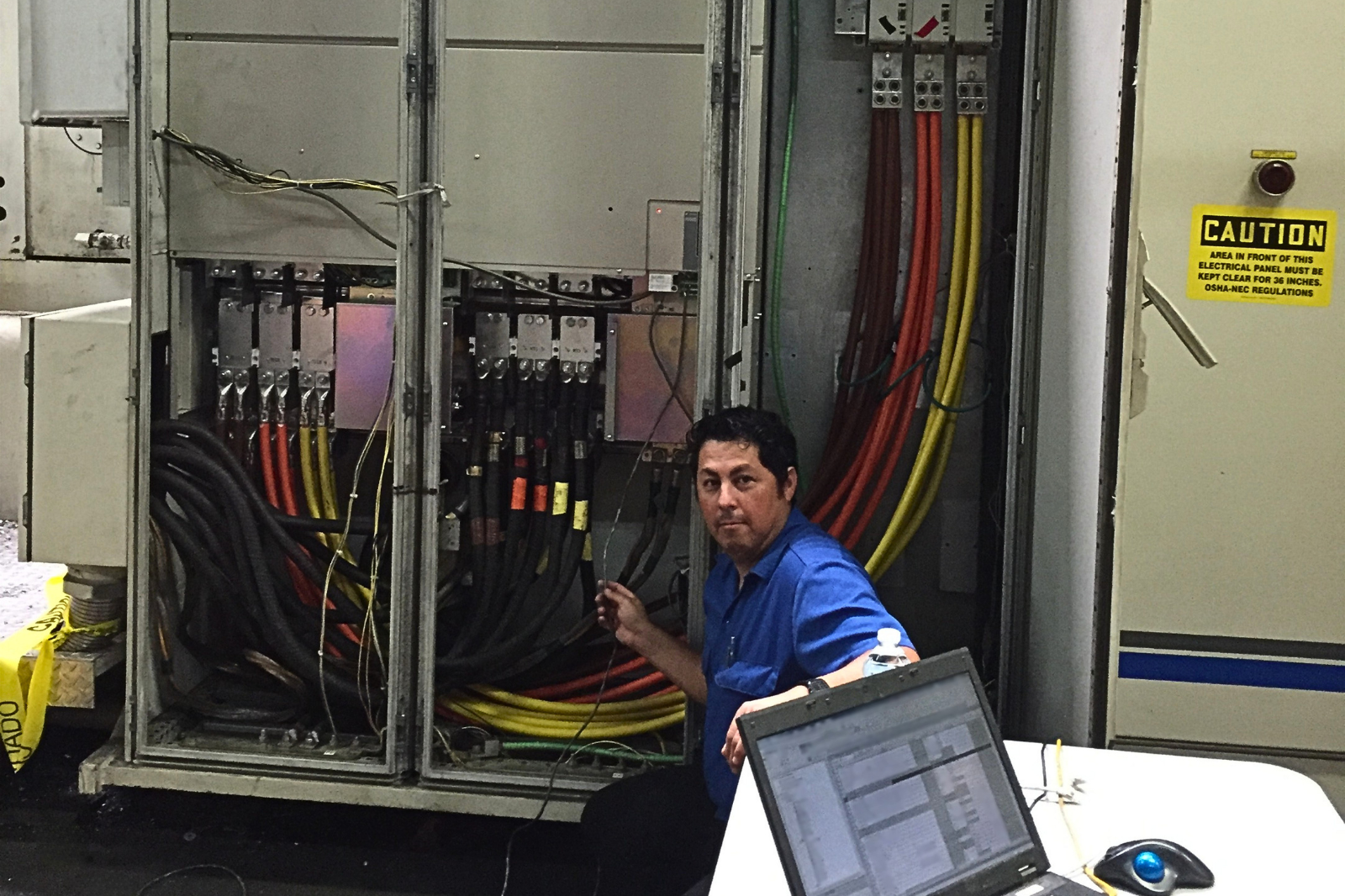
Photo Source: CCI
When an Allen-Bradley drive goes down, many plant teams assume the next step is ordering a factory replacement and waiting for it to arrive. In some situations, though, there may be another practical option.
In our experience, about 90% of Allen-Bradley to Yaskawa retrofits happen during breakdown situations, when getting the line back up quickly matters more than waiting on a factory replacement.
We’ve handled this type of retrofit across Southern California for years, replacing legacy Allen-Bradley drives with Yaskawa drives and integrating them with the existing Allen-Bradley control system using the most practical communication path for the application, including Ethernet/IP and, where needed, DeviceNet or gateway-based solutions for older platforms.
Here’s a closer look at how the retrofit works, where it fits, and what to consider before moving forward.
What Does an Allen-Bradley Drive Retrofit With Yaskawa Actually Involve?
A Yaskawa retrofit replaces your Allen-Bradley drive while keeping the existing Allen-Bradley control system in place. In many cases, that means keeping the PLC, HMI, field wiring, and operator workflow intact while updating the drive hardware and communications where needed.
We’re not talking about a shortcut. We’re talking about a complete drive replacement and integration project using available, supported hardware that is well suited for retrofit work.
Here’s what that typically includes:
Physical drive replacement. The Allen-Bradley drive comes out, and the Yaskawa drive goes in. Because we stock drives locally in Buena Park, many retrofit projects can start the same day a PO is issued.
Communication migration when needed. Many older Allen-Bradley systems still rely on legacy network protocols such as ControlNet, DeviceNet, DH+ (Data Highway Plus), and Remote I/O. Where appropriate, we migrate those older communication paths to Ethernet/IP to support integration with the new Yaskawa drive and improve long-term support and diagnostics. Yaskawa also still supports DeviceNet, which can be a strong option for many older Allen-Bradley PLC systems. On SLC and PLC-5 platforms, converting to Ethernet isn’t always the most practical route and may involve more work than it’s worth. In cases where Ethernet isn’t the right fit, a Yaskawa retrofit can also be integrated into an AB Remote I/O or DH+ system using a gateway.
PLC integration. We map the required control and feedback data between the existing Allen-Bradley PLC and the new drive, including speed reference, current feedback, fault status, and run/stop commands. Depending on the system, that may involve PLC-5, SLC 500, or ControlLogix platforms.
HMI programming. If the line uses a PanelView or other operator interface, we update the screens and communications so the new drive works cleanly with the existing operator workflow.
Commissioning and startup. The Yaskawa drive is configured, tuned to the motor and application, and fully tested before the line is turned back over to production.
How Does the Cost of a Yaskawa Retrofit Compare to a Factory Allen-Bradley Replacement?
For larger-horsepower drives, the total cost of a Yaskawa retrofit, including hardware, installation, PLC integration, and startup, often comes in below the price of the factory Allen-Bradley replacement drive alone.
Not below the full project cost. Below the cost of the factory replacement hardware alone.
That gap exists for a few reasons. Yaskawa drives are competitively priced and stocked locally, so there’s no supply chain premium. Our engineers handle both the electrical and PLC sides in a single engagement, so there’s no need to coordinate between separate contractors. And because we carry drives in Buena Park, there’s no freight wait.
A Yaskawa drive from our stock can be on the job the same day. A factory replacement for a legacy AB drive might take four to six weeks, if it’s available at all.
Why Do Legacy Allen-Bradley Communication Protocols Matter in a Drive Retrofit?
One of the biggest challenges in older Allen-Bradley systems isn’t always the drive itself. It’s the communication layer around it.
Many installed systems still rely on older Allen-Bradley protocols and platforms such as ControlNet, DeviceNet, DH+ (Data Highway Plus), and Remote I/O. Those networks were widely used and still support a lot of running equipment, but they are harder to maintain, harder to troubleshoot, and less flexible than modern Ethernet-based communication.
That matters during a retrofit because the drive replacement often becomes the point where the communication path needs to be reconsidered as well. In some systems, that means moving to Ethernet/IP. In others, DeviceNet or a gateway-based solution may be the better choice, especially when the existing platform is an older SLC or PLC-5 system.
In many cases, we retrofit the Allen-Bradley drive with a Yaskawa drive and migrate communications to Ethernet/IP. In others, the best solution may be DeviceNet or a gateway-based integration path that keeps the existing control architecture in place.
How Reliable Is a Yaskawa Drive in an Allen-Bradley Control System?
Yaskawa drives are widely used in industrial applications, and when they’re properly integrated into an Allen-Bradley control system, they can be a reliable replacement option.
We understand the hesitation. When something’s unfamiliar, it can feel like a risk. So let’s put it in context.
Yaskawa drives are running extruders, corrugators, winders, pumps, blowers, and web lines across Southern California, many of them on Allen-Bradley PLC systems, integrated exactly the way we’ve described here. These aren’t test installs. They’re production lines running every day.
We stock the drives, we know the drives, and we stand behind the installation. If something comes up after startup, our local team can respond quickly and support the system without long delays.
Real Retrofits We’ve Done
AB PowerFlex 700S to Yaskawa Drive Replacement – On a PTi Trident 5000 sheet extrusion line in Southern California, Control Concepts retrofitted both a 300 HP and an 800 HP Allen-Bradley PowerFlex 700S drive to Yaskawa. The 300 HP replacement project was completed in two days, including PLC integration and PanelView programming, at a total cost below the price of the Allen-Bradley replacement drive alone. This site also included an 800 HP retrofit, giving the customer another practical replacement path on a critical extrusion system.
Before and after an Allen-Bradley 1336 drive retrofit completed by Control Concepts.
AB 1336 Drive Retrofit: AB Remote I/O to Ethernet Communication – This case study features our Senior Control Field Engineer retrofitting Allen-Bradley 1336 drives that communicated with the main Allen-Bradley PLC via AB Remote I/O and replacing them with Yaskawa drives using Ethernet communication. It reflects a type of retrofit Control Concepts performs regularly for customers who want to keep their existing Allen-Bradley PLCs in place while updating older drive systems.
Is an Allen-Bradley to Yaskawa Retrofit Right for Your Facility?
If you are running older Allen-Bradley drives on legacy communication networks or facing a replacement timeline that doesn’t fit your production needs, this type of retrofit may be worth evaluating. It’s the right fit when:
- Your existing Allen-Bradley control system is in good working order, and you want to keep it
- The drive has a long lead time or a high replacement cost
- You need the line back up faster than the factory replacement timeline allows
- You would like to move from older communication protocols to a more modern, maintainable network path
We can evaluate your setup, confirm compatibility, and give you a straight answer on timeline and cost. No commitment required. Contact us to get started.
Frequently Asked Questions
Can a Yaskawa drive work with an Allen-Bradley ControlLogix PLC?
Yes. Yaskawa drives can be integrated with Allen-Bradley PLC systems using the communication path that best fits the platform. In many cases that means Ethernet/IP, but Yaskawa also supports DeviceNet, and gateway-based solutions may be used for older Remote I/O or DH+ systems when needed.
Does the PLC program need to change?
In most cases, no. We map the Yaskawa drive’s data addresses to match the original drive’s structure, so your existing PLC logic continues to run without modification.
How long does an Allen-Bradley drive retrofit take?
For a single drive, including installation, PLC integration, and startup, the typical timeline is one to two days. We stock Yaskawa drives in Buena Park for same-day availability, so the job starts when you’re ready, not when a shipment arrives.
What happens to the operator interface?
If your system has a PanelView or similar touch screen, we program it to work with the new Yaskawa drive exactly as it did before. Your operators see the same screens, the same speed displays, and the same status indicators. Nothing changes for them.
Is this less reliable than staying with Allen-Bradley?
No. Yaskawa is a widely used industrial drive platform, and when it is properly integrated into an existing Allen-Bradley control system, it can be a reliable replacement option. Every retrofit we complete includes commissioning, testing, and manufacturer-backed support.
What if something goes wrong after the retrofit?
We provide full commissioning and functional testing before we hand the line back to you. If something comes up after startup, we’re here. As a local Southern California company with drives in stock, we can respond quickly and support the system without long delays.