



Repair or Replace a Failed VFD? How to Decide
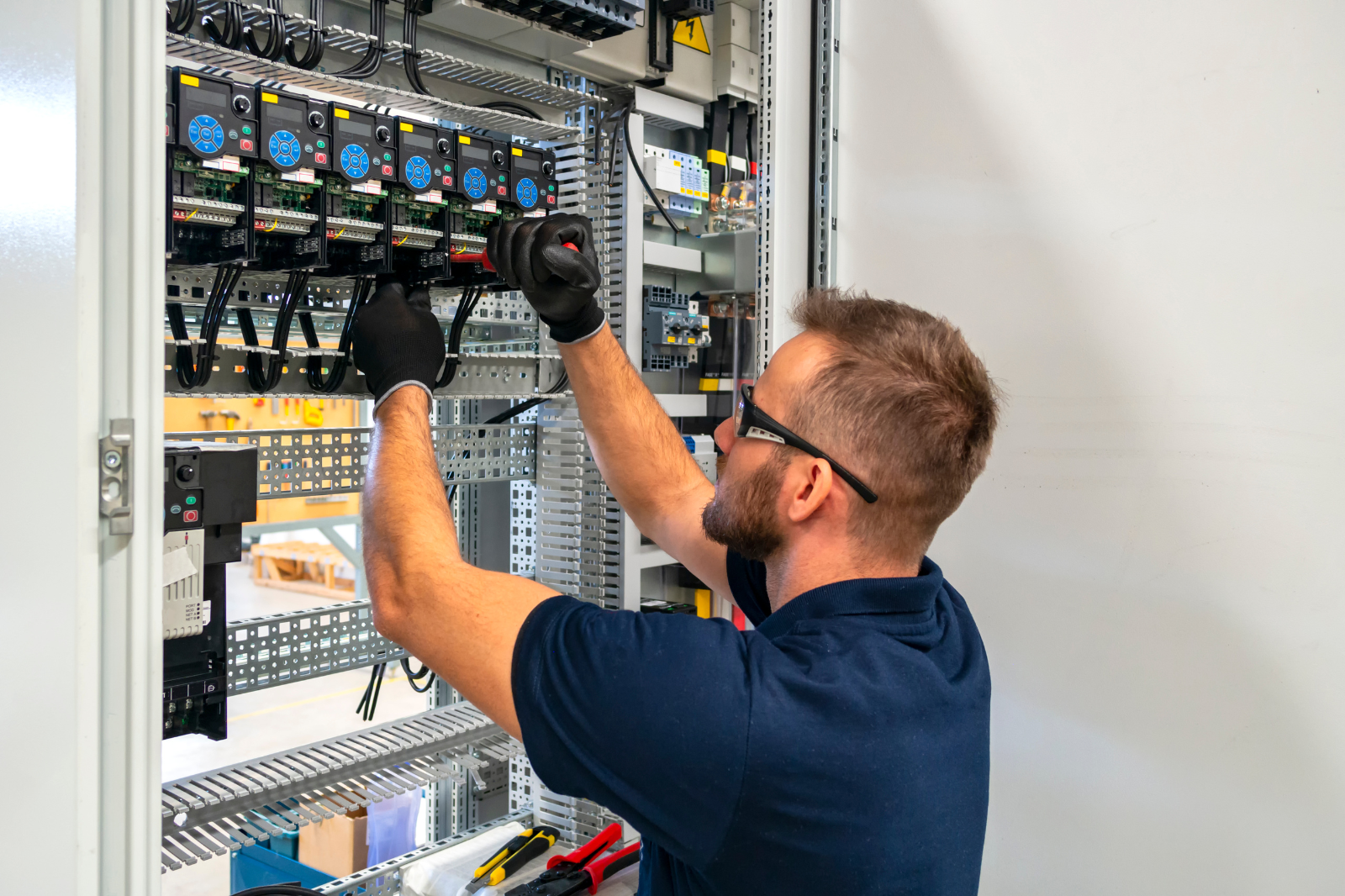
Photo Source: wsfurlan from Getty Images Signature
A failed VFD doesn’t always need to be replaced. In plenty of cases, repair is the right move. In others, you’re better off replacing it. The call depends on how old the hardware is, what actually failed, whether parts are still available, and whether the system around it is set up to support reliable operation after the fix.
That’s why there’s usually a lot more to this decision than whether the drive will power back on.
VFDs fail for all kinds of reasons: heat, contamination, poor ventilation, loose connections, aging capacitors, incoming power disturbances, overload, or stress from somewhere else in the system. Sometimes the damage is contained, and repair is the fastest, most cost-effective way to get the line back up. Other times, the failure is telling you something bigger about the drive, the application, or the conditions it’s running in.
For facilities trying to protect uptime without throwing money away, the better question usually isn’t just whether a VFD can be repaired. It’s whether it should be.
Why this decision matters
When a drive fails, the pressure shows up fast. The motor may stop running. The line may go down. A breaker may trip. Maintenance is trying to get production moving again as quickly as possible, and it’s easy to treat the failed drive as the whole problem.
That’s where the costly mistakes tend to happen.
A repair that doesn’t address the root cause just leads to another failure down the road. A replacement that wasn’t necessary wastes time and money. The goal isn’t just to get the system running again. It’s to make the choice that gives you the best combination of speed, reliability, and long-term value.
When repair usually makes sense
Repair tends to be the right call when the failure is limited, the drive is still serviceable, and the rest of the system is in good enough shape to support reliable operation afterward.
The problem looks isolated. If testing points to one specific failed component, a blown gate driver, a failed capacitor bank, or a damaged rectifier, repair is often more practical than a full replacement.
The drive isn’t too old. If it’s under roughly 10 to 12 years, parts are still available, and the model is realistic to maintain, repair usually offers solid value.
The rest of the system is in decent shape. If the motor, wiring, ventilation, incoming power, and operating conditions are all reasonably stable, fixing the drive may be all you need to restore reliable performance.
This isn’t part of a pattern. If the failure looks like a one-time event rather than the latest in a series of faults, repair makes sense.
Downtime cost is pushing the decision. If replacement would mean sourcing delays, reconfiguration, or broader system changes, a well-scoped repair may be the fastest way back to production.
When replacement may be the better move
There are also plenty of cases where replacement is the smarter call, even when repair is technically possible.
The drive is obsolete or getting hard to support. Once a model hits 15-plus years, parts start thinning out, and repair costs can climb quickly. At that point, replacement often reduces long-term risk more than another repair would.
The same problem keeps coming back. A second or third failure of the same type isn’t bad luck. It’s a pattern. Continuing to repair without addressing what’s actually causing it just delays the next breakdown.
The damage is extensive. A single failed component is one thing. Multiple damaged sections, heat-stressed bus bars, or cascading faults across the drive make it a lot harder to justify repair as the better long-term investment.
The application has changed. If duty cycles, load profiles, or environmental conditions have shifted since the drive was installed, it may no longer be the right fit, regardless of whether it can be repaired.
Reliability is critical. If the drive supports a process where downtime is especially costly, replacement may be the safer call even when repair looks cheaper upfront.
A failed drive isn’t always the real problem
This is one of the most important things to understand going into the decision.
A failed VFD is often the result of something else going wrong in the system. Poor ventilation, dirty enclosures, overloaded operation, loose terminals, failed cooling fans, incoming power issues, motor problems, or wiring faults can all wear a drive down over time until it gives out.
If that root cause is outside the drive, replacing the unit without finding it just sets the next one up to fail the same way.
That’s why the repair-versus-replace question is really a system question. Good troubleshooting before you decide isn’t extra work. It’s what makes the decision actually stick.
Questions worth asking before you decide
How old is the drive? Age alone doesn’t make the call, but it matters. An older drive might still be repairable, but it’s not always the right place to keep putting money if support is thinning out or failures are becoming more frequent. Drives past 15 years are generally worth a harder look at the replacement case.
What actually failed? A single isolated component failure is very different from widespread internal damage. The more extensive the failure, the harder it is to justify repair as the better long-term move.
Has this happened before? A first-time failure is one thing. A repeating fault is something else. If this drive has already caused multiple interruptions, the pattern matters more than any individual repair cost.
Are parts still available? Repair depends on realistic access to components. Once that gets difficult, it starts making less sense, and the timeline to get back up can stretch significantly.
What does downtime actually cost you? Sometimes the cost of waiting matters more than the cost of the drive itself. If production impact is significant, speed and reliability may outweigh the lowest immediate repair bill.
Is the drive still the right fit? A drive sized and specified for conditions from five or ten years ago may not match today’s load, environment, or production demands. If the application has evolved, replacement might solve more than just the immediate fault.
What repair can and can’t tell you
A successful repair solves the immediate problem. It doesn’t prove the rest of the system is healthy.
That matters because a repaired drive goes right back into the same environment it was running in before. If ventilation is poor, terminals are heat-stressed, or the motor and load are creating ongoing strain, the repair may only buy time. The best repair decisions come from real troubleshooting, not just getting the drive to power back on.
What replacement can and can’t solve
A new drive can reduce risk, improve supportability, and give the system a fresh start. But it doesn’t automatically fix things on its own.
If incoming power is unstable, the enclosure runs too hot, or there are unresolved installation issues, a new drive will run into the same problems as the old one. The unit is only part of the answer when the conditions around it are still working against it.
Why context matters more than a quick answer
There’s no universal rule here.
Some failed VFDs are solid repair candidates. Others aren’t worth putting more money into. Some should be replaced because the hardware is outdated. Others, because the system needs a different path forward. And sometimes the drive isn’t the main problem at all.
In the end, it comes down to context. The hardware, the failure itself, the condition of the system, and the cost of getting it wrong all matter.
A better way to think about it
The goal isn’t just to choose the cheaper option or the faster one.
It’s to choose the option that makes the most sense for the equipment, the application, and your facility’s long-term reliability. If a repair will solve the problem and the drive still has good service life ahead of it, a repair is probably the right move. If the drive is aging out, parts are getting hard to find, failures are recurring, or the surrounding system is pushing the hardware past what makes sense, replacement may be the better investment.
Looking past the failed drive
When a VFD fails, the drive itself is only part of the story.
The real decision is about what gives your system the best chance of running reliably from here. Sometimes that means repair. Sometimes it means replacement. Either way, the smartest choice starts with understanding what failed, why it failed, and whether the full system is set up to avoid the same problem again.
Need help figuring out whether a failed VFD should be repaired or replaced? Control Concepts provides AC drive service, troubleshooting, field service, and support for facilities that need a practical path forward. If your team is dealing with a failed drive or a recurring issue, contact our team to take a closer look.
VFD Repair or Replace FAQ
Q: Should a failed VFD always be replaced? No. Plenty of failed VFDs can be repaired economically. It depends on the type and extent of the failure, the age of the drive, parts availability, and the condition of the surrounding system.
Q: When does it make more sense to replace a VFD instead of repairing it? Replacement tends to make more sense when the drive is obsolete (typically 15-plus years old), the damage is extensive, failures keep repeating, or the application has outgrown the hardware.
Q: What should be checked before repairing or replacing a VFD? The drive itself, plus the motor, wiring, terminals, ventilation, incoming power quality, cooling, and overall operating conditions, so you can identify the real cause of failure before deciding what to do.
Q: Can the same problem damage a new VFD, too? Yes. If the root cause is outside the drive (heat buildup, poor ventilation, loose connections, overload, or power disturbances), a replacement drive will face the same conditions and can fail the same way.